


5 min read
Homemade soup is a comforting staple that can be easily mastered with a few essential techniques. From crafting rich stocks to perfecting seasoning and achieving the right texture, every home cook can learn to create delicious soups that warm the soul. In Salt Lake City, you have the opportunity to explore these techniques and elevate your culinary skills!
Whether you’re a busy parent looking to whip up quick meals, a business owner wanting to impress clients with homemade dishes, or simply someone who loves to cook, mastering soup techniques can enhance your kitchen repertoire. Let’s dive into the essentials of making homemade soup!
Stocks: The Foundation of Great Soup
Creating a flavorful stock is the first step in making a great soup. Stocks are made by simmering bones, meat, or vegetables in water, extracting their flavors and nutrients. The type of stock you choose can significantly impact the final taste of your soup.
Here are the main types of stock you can create:
- Chicken Stock: Made from chicken bones, it provides a rich, savory base for many soups.
- Vegetable Stock: A lighter option, made from simmering vegetables like carrots, onions, and celery, perfect for vegetarian soups.
- Beef Stock: Made from beef bones, it offers a deep, hearty flavor ideal for robust soups.
To make your stock, start by roasting the bones or vegetables to enhance their flavors. Then, simmer them in water with herbs and spices for several hours. Strain the liquid and use it as the base for your soups!
Seasoning: Balancing Flavors
Seasoning is crucial in soup-making, as it brings out the natural flavors of your ingredients. The right balance of salt, herbs, and spices can transform a simple soup into something extraordinary.
Here are some tips for seasoning your soup:
- Start Small: Begin with a small amount of salt and gradually add more as needed. Remember, you can always add more, but you can’t take it out!
- Use Fresh Herbs: Fresh herbs like parsley, thyme, and basil can add brightness and depth to your soup. Add them towards the end of cooking for maximum flavor.
- Experiment with Spices: Don’t be afraid to try different spices like cumin, paprika, or even a pinch of cayenne for a kick!
By carefully seasoning your soup, you can create a dish that is perfectly balanced and bursting with flavor.
Texture: Creamy, Chunky, or Smooth?
The texture of your soup can greatly affect the overall experience. Depending on your preference, you can create creamy, chunky, or smooth soups.
Here’s how to achieve different textures:
- Chunky Soups: For a hearty soup, include diced vegetables, beans, or pasta. This adds substance and makes the soup more filling.
- Creamy Soups: To make a creamy soup, blend some of the soup base with a blender or immersion blender until smooth. Add cream or milk for richness.
- Clear Soups: Keep it light by using a clear broth and adding fresh vegetables or proteins without blending.
Experiment with different textures to find what you enjoy most!
Using Seasonal Ingredients
Incorporating seasonal ingredients into your soups not only enhances flavor but also supports local farmers. In Salt Lake City, you can find fresh produce at local farmers’ markets, such as the Downtown Farmers Market.
Here are some seasonal ingredients to consider:
- Spring: Asparagus, peas, and fresh herbs.
- Summer: Tomatoes, zucchini, and corn.
- Fall: Squash, pumpkins, and root vegetables.
- Winter: Kale, potatoes, and hearty greens.
Using seasonal ingredients ensures your soup is fresh and flavorful, making it a delightful dish for any occasion.
Creating Soup for Special Occasions
Homemade soup can be a fantastic centerpiece for gatherings or special occasions. Consider hosting a soup night with friends or family where everyone brings their favorite recipe!
Here are some ideas for themed soup nights:
- International Soup Night: Explore soups from different cultures, such as Italian minestrone, Thai tom yum, or Mexican pozole.
- Comfort Food Night: Serve classic comfort soups like chicken noodle, tomato basil, or creamy potato.
- Healthy Soup Night: Focus on nutritious options, featuring vegetable-based or broth-based soups.
These themed nights can bring friends and family together while enjoying delicious homemade soups!
Join Us for Soup Classes in Salt Lake City!
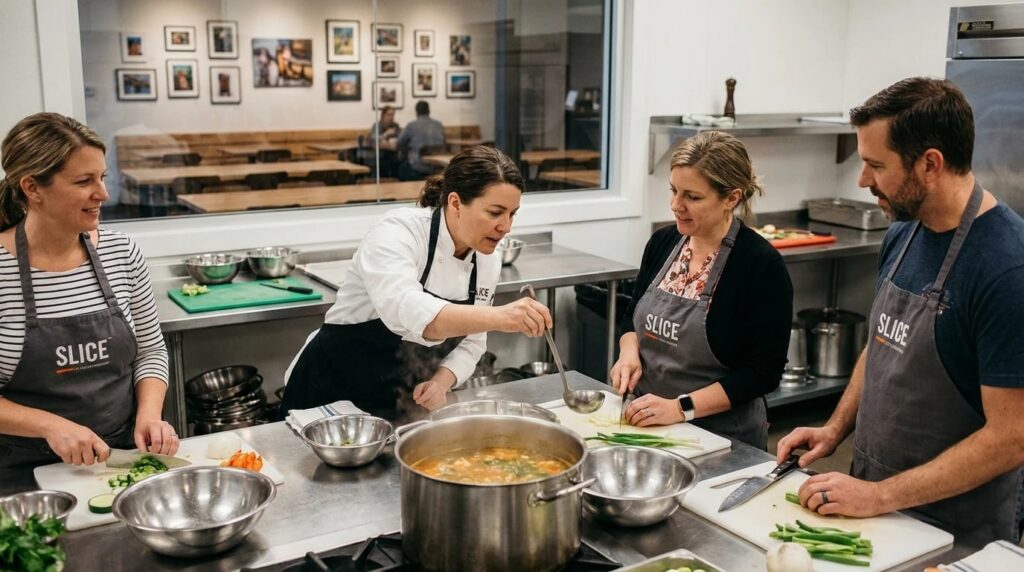
If you’re excited to learn more about making homemade soups, join us for our cooking classes at Salt Lake Culinary Education! Our hands-on classes offer you the chance to practice your skills in a friendly and supportive environment.
Whether you’re interested in mastering stocks, perfecting seasoning, or experimenting with textures, we have a class for you. We look forward to cooking with you!
Conclusion: homemade soup
If you’re ready to dive into the world of homemade soups, contact us today to learn more about our cooking classes at Salt Lake Culinary Education. Let’s get cooking!
For more on homemade soup, read our chicken tortellini soup recipe and our basic knife skills class. You can also review USDA food safety resources.
Frequently Asked Questions
What is the best way to store homemade soup?
Homemade soup can be stored in an airtight container in the refrigerator for up to 4 days. For longer storage, freeze the soup in portions for up to 3 months.
Can I make soup in advance?
Yes! Many soups taste even better the next day as the flavors meld. Just be sure to store them properly to maintain freshness.
What are some common mistakes to avoid when making soup?
Common mistakes include not seasoning enough, overcooking vegetables, or using low-quality ingredients. Always taste as you go!
Can I use leftovers to make soup?
Absolutely! Leftover meats, vegetables, and grains can be great additions to soups, reducing waste and adding flavor.
Are there vegetarian options for soup classes?
Yes! Many of our classes focus on vegetarian and plant-based soups, allowing everyone to enjoy the experience.

